Unlock Your Kid’s Potential: The Secret Benefits of Children’s Bikes with Training Wheels Every Parent Needs to Know!
Finding the right bike for your kid can be tough, especially with many expensive bikes on the market. You want something safe and fun for the kid, but it shouldn’t break the bank.
Enter children’s bikes with training wheels. These bikes offer stability for beginner riders while allowing kids to enjoy the thrill of cycling.
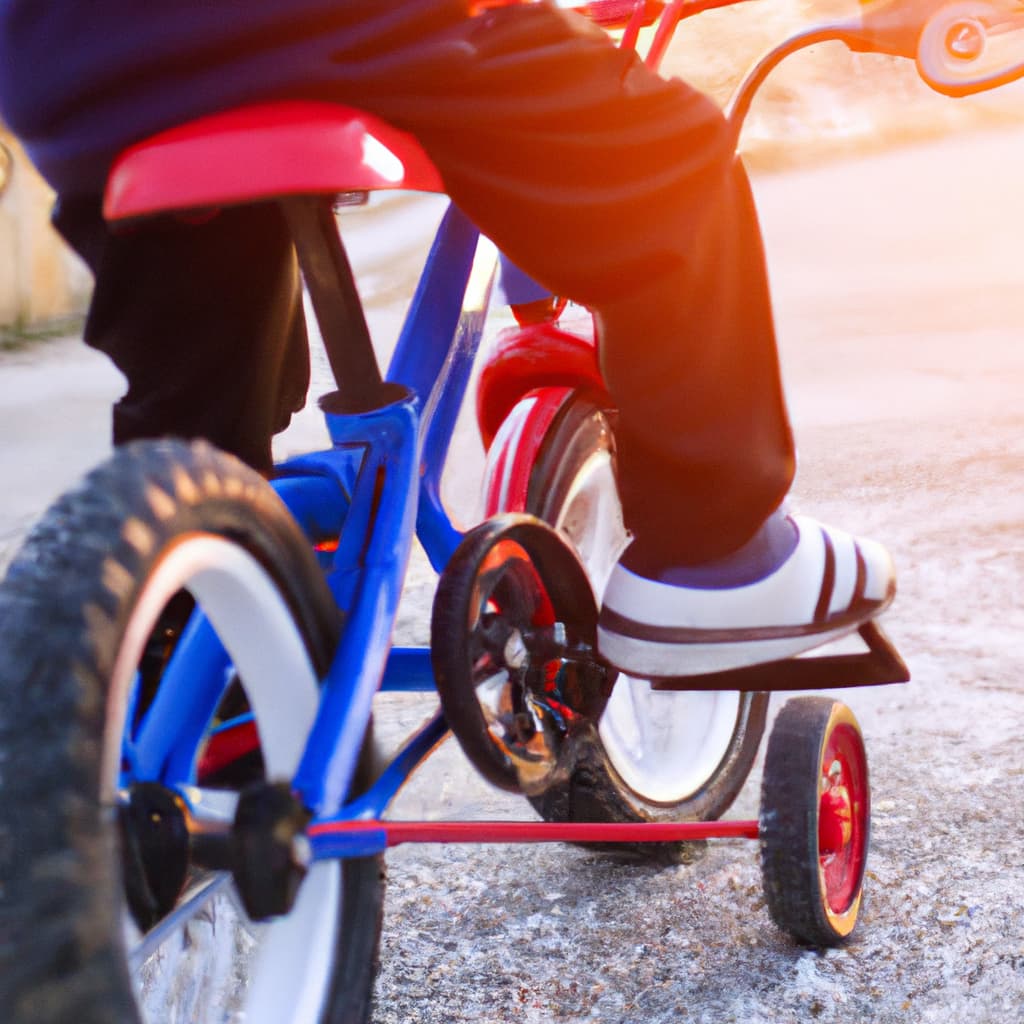
Training wheels helps kids gain confidence as they learn balance and coordination on an inch bike while cycling with a pedal bike.
Unlike traditional bikes, these models provide additional support, smoothing the cycling learning process with services and ons.
They come in various colors and styles, ensuring your kid will love their new cycling ride, which is a great way to enjoy the outdoors.

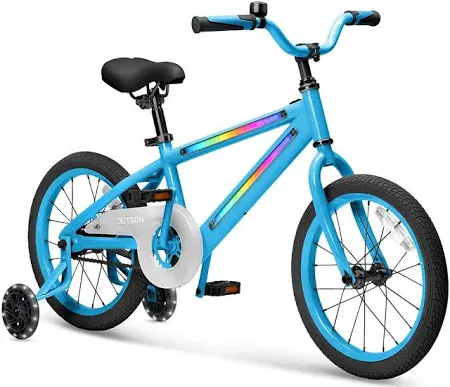
- 1. Easy to put together. 95% of the bike is assembled. Save your headache to install the front wheel and brake compared with 85% bikes. Assembly tools and an easy to follow instructions are included.
- 2. Safer riding! Safe grips and handbrake, Front caliper brake and rear coaster brake offer double safer, Wide 2.4” pneumatic tires add more stability, Sturdy steel frame,Crank, Non-slip resin pedal,Chainguard.
- 3. Easier to Ride! Your little ones will enjoy a smoother ride with Royalbaby sealed bearing since 2019, Royalbaby exclusive brake lever allows little riders brake efficiently.
- 4. Amazing design and color! Bright colors, stylish and charming. Bike bell and DIY decal add extra fun to the ride. Soft seat comes with a handle, which makes the bike easier to grab during teaching or loading.
- 5. More size options! 12,14,16,18,20 Inch available. Use our easy-to-follow size chart, you’ll find a perfect size for your little beloved. Note: Please take the kids height into consideration.

Last update on 2026-10-03 / Affiliate links / Images from Amazon Product Advertising API
With a reliable bike, your kid can explore the outdoors and develop important skills, which is a great way for cycling.
Investing in a quality bike now sets the stage for years of cycling adventure ahead, which is a great way for your kid to enjoy the outdoors.
Key Ideas
- Training wheels provide safety and stability for a kid cycling, allowing young riders to learn balance without falling over.
- Choose a bike that fits your kid’s size for cycling; a properly sized bike enhances comfort and control.
- Look for cycling bikes with adjustable features to accommodate your growing kid and ensure long-term use with additional options.
- Encourage practice techniques, like cycling in a straight line, to build confidence and gradually improve skills, which is a great way for a kid.
- Monitor your kid’s progress closely in cycling to determine the right time to transition away from training wheels.
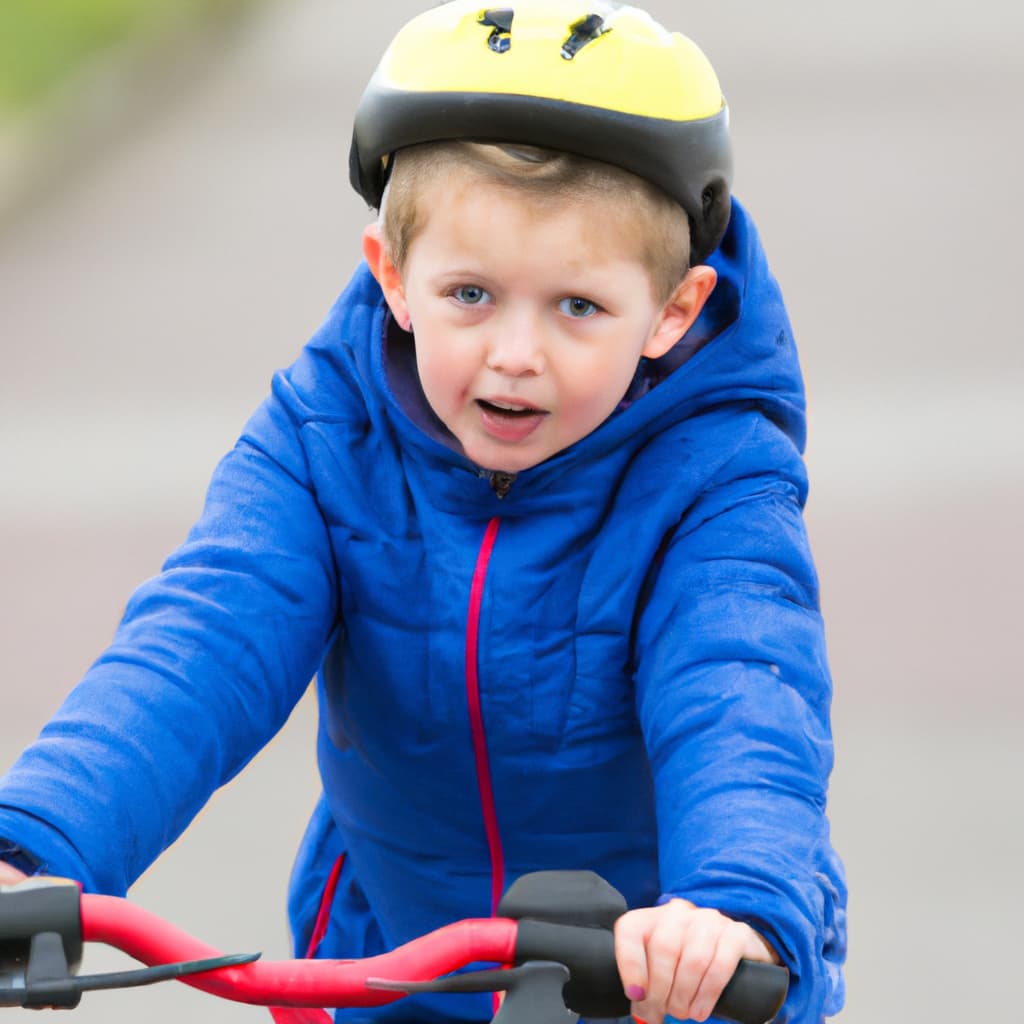
- Always prioritize safety by ensuring your kid wears a helmet and other protective gear while cycling.
Benefits of Training Wheels
Enhanced Stability
Training wheels provide enhanced stability for young riders. They help beginners, including kids, maintain balance while learning to ride a bike, which is a great way to get into cycling.
With training wheels, kids can focus on cycling, pedaling, and steering without worrying about falling over, which is a great way to learn.
This extra support allows them to build confidence quickly.
As kids gain experience in cycling, they start to understand how to steer and brake effectively.
The training wheels prevent tipping during these early learning stages, which is a great way for the kid to gain confidence.
Parents often notice their kids feeling more secure and less anxious when using training wheels.
This is a great way to help them learn, ensure safety, and encourage them to practice more often.
Safe Introduction
A safe introduction to biking is crucial for young learners, and training wheels offer additional benefits.
Training wheels reduce the risk of falls, which can discourage children from wanting to ride again.
Many accidents happen during the initial attempts at riding, and training wheels help minimize these incidents.
This is a great way for children to learn at their own pace, and it adds security. They can gain valuable skills without the fear of falling.
Parents can also feel more at ease knowing their child is safer while learning to ride, which is a great way to add additional enjoyment.
This safety aspect makes training wheels a great and popular choice among families.
Fun Exploration
Training wheels offer a fun way for kids to explore their surroundings. Children enjoy riding around the neighborhood or local parks. With training wheels, they can navigate different terrains safely. This exploration promotes physical activity and helps develop motor skills.
Riding a bike becomes a great and exciting adventure for young ones.
They can join friends or family members during outings. This social interaction enhances their enjoyment of biking as well.
The freedom to explore is a great way to foster creativity and independence in children.
Developing Motor Skills
Training wheels are a great way to aid in developing essential motor skills.
Kids practice coordination by pedaling and steering simultaneously. These actions improve their overall balance and control of the bike.
Over time, they become more adept at handling different biking situations.
The experience gained from riding with training wheels is a great way to prepare for future biking endeavors.
Once children feel comfortable, parents can remove the training wheels as a great way.
At this point, kids are usually ready to take on the great way challenge of riding without them.

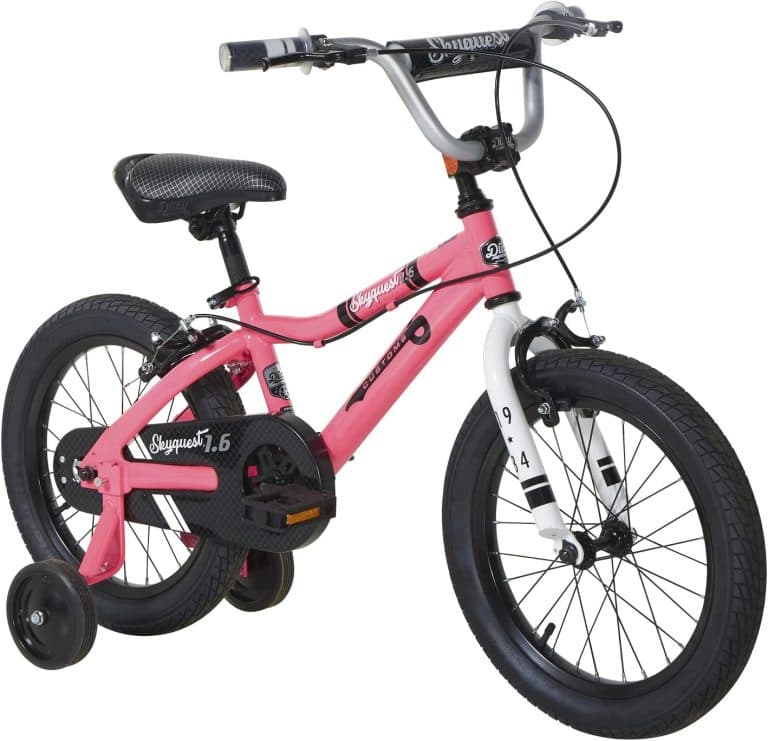
- DESIGN FOR KIDS – 1. This Kids bike comes with stable training wheel early rider. 2.Quick release seat simplify the height adjustment. 3.Saddle with holder to learn riding when the training wheel is off. 4.Foot brake suitable for young rider don’t have enough power to manipulate the hand brake.
- MINIMUM MAINTENANCE – Made of premium steel to survive the bumps of learning, the durable steel frame is backed by our limited lifetime warranty. The bike comes with black tire & single speed, only little maintenance needed due to the simple design.
- DIY DECAL & SAFE CHAIN GURAD – Your child will get a DIY decal, they could make a unique bike with the decal by sticking their name on the frame or chain guard. The chain guard well protects the chain, it will last longer than other bikes, your child will not get hurt when try to touch the chain.
- EASY TO INSTALL – The children bike comes with 85% Pre-assembled body and the basic assembly tools, only pump needed for tire, normally takes a novice about 20 minutes to assemble it. If you have problem about assembly or the bike, please contact us.
- RECOMMENDED SIZE CHART – 12″ BIKE FOR 2-4 YEARS (33″-41″) TODDLER, 14″ bike for 3-5 years (35″ – 47″) child, 16″ bike for 4-7 years (41″ – 53″) boys & girls, 18″ bike for 5-9 years (43″-59″) boys & girls. Note: child height may vary even at the same age, please take the height into consideration.
Last update on 2026-10-04 / Affiliate links / Images from Amazon Product Advertising API
Safety and Stability for Young Riders
Proper Installation
Training wheels must be properly installed to ensure maximum safety for young riders. Parents should check the height and alignment of the wheels frequently.
They should sit parallel to the ground.
Misalignment can cause instability while cycling.
Adjusting training wheels is also key. The wheels should support the bike well without touching the ground too much.
Touching too often may hinder the child’s balance, disrupting development.
Parents should regularly inspect them for wear and tear to ensure they are in good condition.
Adult Supervision
Adult supervision plays a crucial role in safe cycling. Parents should always keep an eye on their children while riding. Even with training wheels, accidents can happen.
An adult can quickly react if something goes wrong.
Supervision helps children learn safe riding habits. It is a great way for parents to teach kids about traffic rules and awareness.
This guidance is a great way to be essential, especially in busy areas or near roads.
Preventing Tipping Over
Training wheels are a great way to help prevent tipping over, especially on uneven surfaces, which can be challenging for young riders.
They also provide extra support when kids encounter bumps or slopes.
Children may feel more confident with the training wheels attached.
They can focus on pedaling and steering instead of worrying about falling, which is a great way to enjoy the ride.
This confidence builds their skills in a great way as they progress in cycling.
Parents should encourage practice on different terrains. This exposure helps kids adapt to various riding conditions.
Learning to balance on uneven surfaces prepares them for future rides without training wheels.
Great Way to Learn
Using training wheels is a great way for kids to learn cycling basics.
They help children develop coordination and balance over time, and they gain experience while feeling secure during rides.
Several kids benefit from this gradual approach to cycling. As they grow more comfortable, parents can slowly raise the training wheels.
This adjustment encourages them to find their balance without full support.
Over time, kids will master their skills and gain confidence. Eventually, they will ride without training wheels altogether.
This transition marks an important milestone in their cycling journey.
Building Confidence with Training Wheels
Regular Practice
Children should practice riding their bikes regularly. This helps them build their riding skills and self-assurance.
An inch pedal bike with training wheels gives them the stability they need.
As they ride, they learn to balance and steer effectively. Encouraging daily practice can make a significant difference.
Parents can set aside time each week for bike rides.
This routine helps children become familiar with their bikes and feel more comfortable while riding.
Over time, they will gain confidence in their abilities.
Celebrating Milestones
Celebrating small milestones is essential in the learning process. Each achievement boosts a child’s confidence.
For example, mastering steering or pedaling without wobbling deserves recognition. Parents can reward these moments with praise or small treats.
Positive reinforcement encourages kids to keep trying.
Milestones can be as simple as riding without assistance for a few minutes. Other milestones might include completing a short distance without falling.
Documenting these achievements can motivate children further.
A sticker chart or journal can serve as a visual reminder of progress.
Success Stories
Sharing stories of successful transitions from training wheels to regular bikes inspires young riders.
Many children struggle initially but succeed with perseverance and support.
For instance, a child may start with training wheels at age five.
After several months of practice, they confidently ride a two-wheeled bike at six.
Parents can share their own experiences or those of friends and family. Hearing about others who faced similar challenges makes kids feel less alone.
It shows them that success is possible with effort and support.
Additional Add-Ons
Parents should consider adding extra features to enhance the riding experience. Items like adjustable handlebars or cushioned seats can improve comfort and control.
These adjustments help children feel secure while riding, aiding in their development.
Incorporating fun elements into biking can also spark interest. Bright colors, fun designs, or themed accessories can make the bike more appealing.
These details encourage kids to ride more often and enjoy the journey.
Choosing the Right Bike Size
Measure Inseam
Measuring the child’s inseam is crucial. This measurement helps determine the right bike size.
A child should be able to touch the ground with their feet when seated on the saddle.
To measure, have the child stand straight against a wall. Place a book between their legs, spine up, and mark where it touches the wall.
The distance from the floor to this mark is their inseam. Use this number to choose an inch bike that fits well.
Frame Height and Weight
The bike’s frame height matters for safety and control.
A lower frame allows easier mounting and dismounting and boosts confidence while riding.
Weight plays a role as well. Lighter bikes are easier for children to ride, while heavy bikes can be tough to control, especially for younger riders.
Choose a bike that matches the child’s physical abilities.
Test Ride Sizes
Testing multiple sizes is essential in finding the best fit. Take the child to a local bike shop or park to try different bikes.
Let them ride various options to see which feels comfortable.
Please encourage them to check how easily they can steer and stop. A good fit ensures they feel in control while riding.
Riding should be enjoyable, not frustrating.
Comfort and Control
Comfort is key when selecting a bike. Ensure that the seat height can be adjusted easily as the child grows.
The handlebars should also be at a suitable height for easy reach.
If a child feels uncomfortable on their bike, they may resist riding altogether. This can hinder their confidence, which training wheels aim to build.
A beautiful bike that fits well will motivate them to ride more often.
Safety First
Safety gear is just as important as choosing the right bike size.
Children should always be equipped with helmets and knee pads before riding.
This protects them from injuries if they fall.
Parents should supervise young riders until they are confident enough to ride independently. This oversight helps ensure safe practices while learning.

- Amazing Design and Color – JOYSTAR Little Daisy Princess 14 Inch girls bike is a beautiful and attractive bike with vibrant colors. The doll bike seat, lovely basket, and DIY decals make the journey even more enjoyable
- For Safety Riding – The front hand caliper brakes and rear coaster/foot brake provide sufficient stopping power and increased safety. The kids bike also comes with the front and rear reflectors, wheel reflectors and the enclosed chainguard
- Design for Kids – Removable training wheels are included. The bike includes adjustable saddle and stem height for a more comfortable fit and easy pedaling. Comes with a single speed drivetrain, making it simple for the child to maneuver the bicycle
- Easy to Assemble – The children bike comes with 85% Pre-assembled body and the basic assembly tools, only pump needed for tires, normally takes a novice about 20 minutes to assemble it. Our limited Lifetime Warranty covers the kids bicycles
- Perfect Gift for Kids – 14 inch girls bike is suitable for 3.5 years old. A kids bike is a perfect gift for kids to foster physical activity, enhances coordination, boosts confidence, and provides endless fun and adventure
Last update on 2026-10-04 / Affiliate links / Images from Amazon Product Advertising API
Considering Weight and Adjustability
Bike Weight
Evaluating the bike’s weight is crucial. A lighter bike allows a child to handle and maneuver it easily, while a bike that is too heavy may discourage them from riding.
Children need to feel in control of their bikes. This sense of control can boost their confidence.
Most children’s bikes with training wheels weigh 15 to 25 pounds.
When selecting a bike, consider the child’s age and strength.
For younger or smaller children, choose a lightweight model. This makes learning to ride more enjoyable.
Adjustable Training Wheels
Adjustable training wheels enhance functionality and allow the bike to grow with the child. Look for models that offer multiple-wheel height settings.
This feature accommodates different skill levels as children learn to balance.
You can gradually lower the training wheels as children improve their riding skills. This helps them transition to riding without support.
Some bikes have removable training wheels, making this process easier. Parents can remove them once the child feels confident.
Ease of Adjustments
Assessing how easy it is to make adjustments is important.
Some bikes have quick-release mechanisms for fast changes, while others may require tools, which can be inconvenient.
Choose a bike that allows simple adjustments as the child gains confidence.
Frequent adjustments may be necessary during the learning phase.
Children often progress at different rates, and a bike that adjusts easily will keep up with these changes.
Parents should also consider how often they must adjust the seat height and handlebar position.
These features contribute to comfort and safety while riding.
Personalisation Options
Personalization options can make a bike more appealing to a child.
Many manufacturers offer customizable features like colors and accessories, which enhance the bike’s look and make it special for the child.
A personalized bike can motivate a child to ride more often.
When kids feel connected to their bikes, they enjoy riding even more.
Factors for Selecting Kids’ Bikes
Durability Materials
Parents must consider the durability of kids’ bikes. Materials like steel and aluminum are common.
Steel offers strength but can be heavier, while aluminum is lighter, making it easier for children to handle.
Bikes should also have a robust frame to endure rough play.
Look for bikes with scratch-resistant paint. This feature helps keep the bike looking new.
Tires should be puncture-resistant for outdoor use. A durable bike lasts longer and saves money in the long run.
Safety Features
Safety is crucial when selecting pedal bikes. Bikes should come equipped with reliable brakes.
Hand brakes are ideal for older kids, while coaster brakes work well for younger riders.
Each brake type has its advantages.
Reflectors are another important safety feature. They help increase visibility during low-light conditions. Some bikes include lights that enhance safety even further.
Parents should ensure that their child’s bike has these features for added protection.
Price Points
Price is often a deciding factor for families. Kids’ bikes come at various price points. It’s essential to find a balance between quality and affordability.
A higher price doesn’t always mean better quality.
Families should set a budget before shopping.
Many good options exist within different price ranges. Researching brands can help identify reliable choices without overspending.
Consider buying used bikes as an option, too.
Many gently used bikes are available at lower prices. Just ensure they meet safety standards before purchasing.
Comfort and Fit
Comfort plays a big role in how much kids enjoy riding their bikes.
Proper fit ensures they can reach the pedals easily, and adjustability features make it easier to customize the bike as the child grows.
Look for padded seats and adjustable handlebars to enhance comfort.
These features help prevent discomfort during longer rides.
Reviews and Recommendations
Reading reviews from other parents can provide valuable insights. Recommendations from friends or family can also guide choices.
Online platforms often feature user feedback on various models.
Checking forums or parenting groups can yield helpful advice too. Parents often share their experiences with specific brands and models, which can assist in making informed decisions.
Practice Techniques for New Riders
Open Areas
For new riders, starting in flat, open areas is essential. These spaces minimize distractions and hazards. Look for parks or empty parking lots.
Avoid busy streets where traffic can create stress.
A safe environment helps children focus on learning to ride.
Parents should supervise closely during practice sessions. They can provide encouragement and support. This guidance builds confidence in young riders.
It also allows parents to correct any unsafe habits early on.
Fun Games
Using games or challenges makes learning to ride more enjoyable.
Kids respond well to fun activities. Simple games like “follow the leader” can help them practice balance and control.
Parents can set up obstacle courses using cones or markers.
This encourages kids to maneuver their bikes while having fun.
Incorporating friendly competitions can also motivate young riders. Time trials or races with siblings or friends add excitement.
Kids enjoy showing off their skills, and engaging them in this way keeps their interest high.
Gradual Skills
It is important to introduce new skills gradually as confidence grows. Start with basic riding before moving to more complex techniques.
Teach them how to stop safely first. Once they master stopping, move on to turning.
Parents should be patient during this process. Some children may take longer to learn certain skills.
Praise for small achievements boosts their self-esteem, and positive reinforcement encourages continuous improvement.
As children become comfortable with basic riding, they face new challenges.
Please encourage them to try riding on different surfaces, like grass or gravel.
This helps develop adaptability and control.
Safety First
Safety gear is crucial when practicing new skills. Always ensure kids wear helmets and knee pads. This protects them from injuries if they fall.
Parents should lead by example, wearing safety gear themselves.
Discussing safety rules is also vital.
Teach children about looking out for obstacles and other riders. Instilling these habits early promotes safe riding practices in the long run.
Consistent Practice
Regular practice sessions are key to building skills and confidence.
Schedule time each week for riding practice, even if it’s just for a short period.
Consistency helps reinforce learning.
Encouraging kids to ride with friends can also enhance their experience.
Group rides create social opportunities while helping them improve their skills.

- 12″ WHEELS: Features 12″ wheels wrapped in durable rubber tires for outstanding grip & steadiness in most weather conditions. Wider lateral distance offers better stability, higher driving efficiency & lower rolling resistance ensuring smoother ride
- ADJUSTABLE SEAT HEIGHT: The kids training bikes feature adjustable seat height suitable for growing kids. The ergonomic cushion bike seat was designed to give your kids the most comfortable and safe ride as well as the best riding experience ever
- STURDY FRAME: Durable & lightweight steel frame and fork provide awesome impact resistance when riding over bumpy terrain, easily surviving the multiple bumps of learning balance. Easy for the kids to maneuver the bike & only need minimum maintenance
- TRAINING WHEELS: Equipped w/ never-bend training wheels that will support them as they learn to master two wheels. Strengthened bracket is more secure & strong for kids’ riding. Also features full chain guard & anti-slip resin pedal for added safety
- DUAL BRAKE SYSTEM: The bike for toddlers is equipped with a front caliper brake w/ handbrake to control the speed & rear coaster brake to stop power allowing kids to have full control. Features removable pedals and it comes 95% assembled with tools
Last update on 2026-10-04 / Affiliate links / Images from Amazon Product Advertising API
When to Transition from Training Wheels
Assessing Balance
Parents should closely observe their child’s ability to balance. Look for signs that show the child can steer and control the bike independently.
If the child can ride straight without wobbling, they may be ready to transition.
This usually happens around ages 4 to 8, depending on the individual child.
Balance is key. Kids must feel stable on two wheels before removing the training wheels. Encourage them to practice balancing in a safe area—a flat, open space is ideal.
Safe Practice Sessions
Encourage practice sessions without training wheels in a controlled environment. Choose a location free from traffic and distractions. Parks or empty parking lots work well for this purpose.
Start with short sessions to avoid overwhelming the child.
Gradually increase the time as they gain confidence. Allow them to explore how it feels to ride without extra support.
Use positive reinforcement during these sessions. Celebrate small victories to boost their confidence.
Emotional Readiness
Discuss emotional readiness with your child. It’s important that they feel confident about riding without training wheels.
Ask them how they feel about trying it out, and listen to any concerns they may have.
Children might fear falling or losing balance.
Address these fears by explaining that falls are part of learning and reminding them that many kids go through this process.
Share stories of other children who successfully transitioned from training wheels.
Creating excitement around riding can help, too. Celebrate their progress and encourage them to share their experiences with friends or family.
This builds a supportive environment.
Signs of Readiness
Look for specific signs indicating readiness for the transition:
- The child can balance on two wheels.
- They show interest in riding without training wheels.
- They express excitement rather than fear.
- They can start and stop the bike confidently.
These indicators signal that it’s time to give it a try.
Support During Transition
Support your child during the transition process. Hold the back of the seat lightly while they learn to ride alone.
Offer guidance, but let them take control of the bike as much as possible.
Remain nearby for reassurance, but avoid hovering too closely. Letting them know you believe in their abilities boosts their confidence.
Children’s Bikes with Training Wheels Final Remarks
Choosing the right bike with training wheels is crucial for your child’s safety and confidence. You want a bike that fits well, is lightweight, and is adjustable as your child grows.
Training wheels provide the stability they need to learn balance and control, making riding fun and stress-free.
Encourage practice to build their skills and know when to transition from training wheels. This journey sets the foundation for lifelong cycling enjoyment.
So, get out there, pick the perfect bike, and watch your little ones thrive on two wheels.
Happy riding!
Children’s Bikes with Training Wheels Frequently Asked Questions
What age is appropriate for a child to start using training wheels?
Most children can begin using training wheels around ages 3 to 5. This age range allows them to develop balance and coordination while gaining confidence on a bike.
How do training wheels enhance safety for kids?
Training wheels provide additional stability, reducing the risk of falls. They help young riders focus on pedaling and steering without worrying about balancing, making riding safer.
When should my child transition from training wheels?
Typically, children can transition from training wheels when they show confidence in balancing and steering. This usually occurs between ages 4 and 7, but it varies by individual readiness.
What size bike should I choose for my child with training wheels?
Choose a bike that allows your child to sit comfortably with both feet flat on the ground. This ensures they can easily start, stop, and maintain control while learning.
Are adjustable training wheels worth considering?
Yes, adjustable training wheels can grow with your child. They allow you to modify the height and angle, providing tailored support as your child’s skills improve.
What practice techniques can help my child learn to ride?
Encourage your child to practice in a safe, open area. Use gentle guidance and positive reinforcement. Gradually reduce reliance on training wheels as their confidence grows.
How can I ensure my child’s bike is safe?
Regularly check tire pressure, brakes, and overall bike condition. Ensure the bike is the right size and adjust components to keep it safe and comfortable for your child.