Important Bicycle Safety Facts: Essential Practices
Important Bicycle Safety Facts Key Points
- Always wear a properly fitted bike helmet and high-visibility clothing to enhance your visibility and protection while riding, and follow bicycle safety tips and reminders.
- Regularly inspect and maintain your bicycle to ensure safe bike riding and bicycling and follow bike safety reminders before each ride.
- Practice defensive riding techniques, such as scanning the road, signaling your intentions, and being mindful of potential hazards.
- To be predictable on the road, follow traffic rules, use hand signals, and make eye contact with drivers.
- Continuously improve your cycling skills through training, education, and practice to become a safer and more confident rider. Follow bicycle safety tips and wear a helmet to prevent bicycle injuries.
- Respect other road users by communicating effectively, yielding when necessary, and promoting a culture of mutual respect and safety for all.

- COMBINATION OF FEATURES AND VALUE-With detachable 48V, 12.5Ah battery, the Race Max allows riders to travel up to 31-40 miles per charge 500w brushless geared motor provides reliable support and 22 mph top speed.
- SAFETY & DURABILITY-Race Max comes standard with puncture resistant 27.5” tires, dual lights and both brakes have motor inhibitors to cut power instantly when stopping, which makes your commuting journey more steady and reliable.
- LIGHT WEIGHT GEOMETRY FRAME-A sturdy high-step commuter style electric bike offering clean, and sleek appearance and less than 52.9 lbs weight for city riders craving more excitement and utility than your average bike.
- UPGRADE YOUR COMMUTING-With all the benefits of 7-speed, front fork suspension and a large, practical LCD display. Race Max lets you get across town like never before.
- 3 WORKING MODES-Breeze around without the need to pedal at all when using the throttle function,or if you fancy pedaling, kick in one of the three different levels of pedal assist to help you get where you’re going without breaking a sweat.
Last update on 2026-10-08 / Affiliate links / Images from Amazon Product Advertising API
Bicycles are a popular mode of transportation and a favorite pastime for many; wearing a helmet is important.
However, knowing important bicycle safety facts, including wearing a helmet, is crucial to ensure a safe and enjoyable riding experience.
Understanding these key safety points can make a significant difference in preventing accidents and injuries.
Whether you’re a seasoned cyclist or just starting, knowing these facts is essential for everyone.
Cycling safety has evolved, with advancements in gear, infrastructure, and regulations to reduce riders’ risks.
By familiarizing yourself with these important bicycle safety facts, you can confidently navigate various terrains and traffic conditions while minimizing potential hazards.
Here is a chart detailing various aspects of bicycle safety:
| Aspect | Details |
|---|---|
| Helmet Use | – Always wear a helmet that fits properly. – Look for helmets that meet safety standards (e.g., CPSC, ASTM, Snell). |
| Visibility | – Wear bright or reflective clothing. – Equip your bike with front and rear lights. – Use reflectors on pedals and wheels. |
| Obey Traffic Laws | – Follow the same rules as motorists. – Stop at all stop signs and traffic lights. – Ride in the direction of traffic. |
| Hand Signals | – Use hand signals to indicate turns and stops. – Left turn: Extend your left arm out. – Right turn: Extend your right arm out or left arm up. |
| Bike Maintenance | – Regularly check brakes and tire pressure. – Ensure the chain is clean and lubricated. – Inspect for loose bolts and spokes. |
| Use Bike Lanes | – Ride in designated bike lanes whenever possible. – Be cautious of parked cars and opening doors. |
| Be Aware of Surroundings | – Stay alert to road conditions and other vehicles. – Avoid using headphones or mobile phones while riding. |
| Proper Clothing | – Wear appropriate clothing for the weather. – Avoid loose clothes that can get caught in the bike chain. |
| Safe Riding Techniques | – Keep both hands on the handlebars, except when signaling. – Use both brakes to stop smoothly. – Avoid sudden swerves and make predictable movements. |
Feel free to contact us for more details on any specific aspect!
Understanding Bicycle Safety
Peak Months
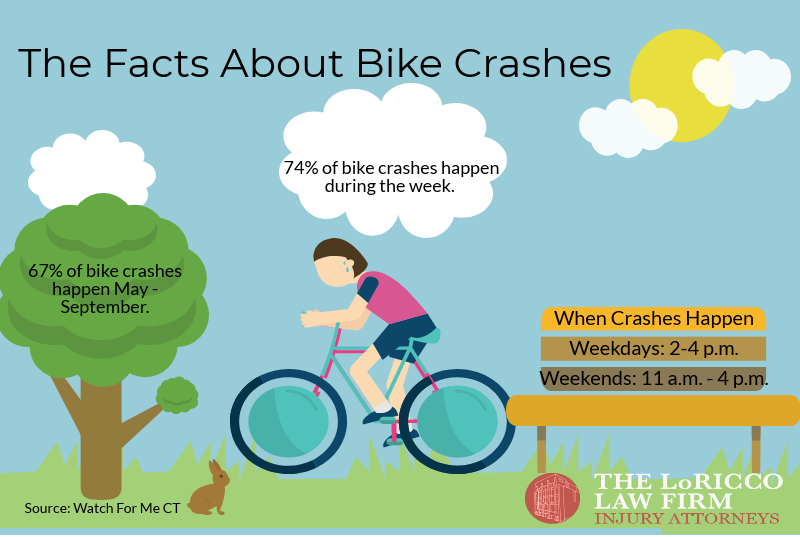
Bicyclist deaths often peak during summer, especially between June and September. Increased daylight and warmer weather contribute to more people riding bicycles, leading to a higher risk of accidents.
During these months, cyclists and motorists must be particularly vigilant, as the roads are busier with increased bicycle activity.
High-Risk Areas
Urban areas are known to be high-risk zones for bicyclist fatalities.
Busy intersections, narrow lanes, and heavy traffic pose significant dangers for cyclists.
In urban settings, drivers often encounter more distractions and have less visibility of cyclists, increasing the likelihood of accidents.
Rural roads can also present risks due to higher speeds and limited infrastructure for cycling safety. Cyclists need to remain cautious and visible in all areas.
Factors Contributing to Fatal Crashes
Several factors contribute to fatal bike crashes. One of the primary factors is the lack of visibility, especially during dawn or dusk when lighting conditions are poor. This can result in collisions between cyclists and vehicles.
Another significant factor is the failure to yield the right of way.
Motorists may not prioritize cyclists at intersections or while making turns, leading to severe accidents.
Furthermore, distracted driving significantly increases the risk of fatal bike crashes. Drivers using mobile devices or being preoccupied with other tasks are less likely to notice cyclists on the road.
Cyclists and motorists must acknowledge these factors and take precautions to prevent fatal crashes.
Preparing for Your Ride
Proper Bike Fit
Ensuring safe riding begins with a bike that fits you correctly. Ensure the seat is adjusted to a height where your legs are almost fully extended at the bottom of each pedal stroke.
The handlebars should also be comfortable and within reach, allowing for better control and maneuverability.
Functional Brakes
One of the most crucial aspects of a bike ride is having functional brakes.
Regularly check your brakes to ensure they are in good working condition.
This includes checking the brake pads for wear and tear and ensuring the brake cables are not frayed or worn out.
Properly functioning brakes are essential for quick and effective stopping, especially in emergencies.
Protective Gear and Visibility
Wearing a helmet while riding is as important as wearing a seatbelt in a car. A well-fitted helmet can significantly reduce the risk of head injury in a fall or collision.
Wearing bright or reflective clothing makes you more visible to others on the road, reducing the chances of accidents due to lack of visibility, especially during low-light conditions.
It’s crucial to prioritize safety every time you prepare for a ride.
You significantly reduce the risk of accidents and injuries by ensuring your bike fits you correctly, maintaining functional brakes, and wearing protective gear while being visible to others.

- Built-in MIPS for enhanced safety: This helmet features integrated MIPS technology to help protect against rotational impacts
- Durable outer shell: The Full Hardbody shell provides robust protection
- Moisture-wicking padding: The quick-dry padding ensures comfort and helps keep you cool
- Adjustable visor: The removable visor can be adjusted to suit your preference
- Enhanced visibility: The helmet includes reflectivity features for better visibility in low light conditions
Last update on 2026-10-08 / Affiliate links / Images from Amazon Product Advertising API
Ensuring Gear Fit and Maintenance
Proper Helmet Fit
Ensure a proper helmet fit for bicycle safety. Helmets are the most effective way to prevent head injuries during a crash.
Choosing a helmet that meets safety standards set by reputable manufacturers is essential.
The helmet should fit snugly and be positioned level on the head, covering the forehead.
Reflective Gear Importance
Reflective gear plays a vital role in bicycle safety. Wearing reflective clothing and accessories significantly enhances visibility, especially during low-light conditions or at night.
Maintaining reflective gear ensures that cyclists are easily spotted by motorists, reducing the risk of accidents caused by poor visibility.
Lights and Reflectors
Equipping your bike with lights and reflectors is a non-negotiable aspect of bicycle safety.
Front and rear lights and reflectors make cyclists more visible to drivers, especially in dimly lit areas or during adverse weather conditions.
According to traffic laws, bikes must have a white front light and a red rear light or reflector when riding at night.
Mastering Defensive Riding
Stay Focused
Maintain focus on the road at all times to anticipate and react to potential dangers. Avoid distractions such as using your phone or listening to loud music while riding.
By staying focused, you can better assess your surroundings and make quick decisions to avoid accidents.
Obey Traffic Rules
Adhere to traffic rules and signals to ensure a safer ride for yourself and others. This includes stopping at red lights, yielding to pedestrians, and using hand signals for turning.
By following these rules, you contribute to a more organized and predictable traffic flow, reducing the risk of collisions.
Be Prepared for Hazards
Always be prepared for unexpected road hazards like potholes, debris, or sudden weather changes. Maintain a safe distance from vehicles and anticipate their movements.
Familiarize yourself with common accident scenarios and learn defensive maneuvers to mitigate the impact of potential hazards.
Adopting Predictable Behavior
Drive Predictably
When riding a bicycle, drive predictably to ensure safety. This means staying in the designated bike lanes and following traffic rules. By doing so, you increase your visibility to other road users.
Clear Signaling
Use clear and visible hand signals when changing lanes or making turns. Clear signaling helps other drivers anticipate your next move, reducing the risk of accidents.
Minimize Sidewalk Riding
Minimize sidewalk riding to enhance safety for both pedestrians and cyclists. Riding on sidewalks can lead to unpredictable movements and potential collisions with pedestrians.
Riding on the road is safer, where you are more visible to motorists.
Enhancing Cycling Skills
Safe Environment
When cycling, it’s crucial to practice in a safe environment to improve skills. Find a quiet street or an empty parking lot to familiarize yourself with the bike’s handling. This helps build confidence and control, especially for new riders.
Consider taking an on-bike class for advanced learning. These classes often cover essential skills such as signaling, proper lane positioning, and hazard awareness.
They provide a structured environment for learning and practicing various maneuvers, contributing significantly to overall cycling safety.
Away from Traffic
To enhance your bike riding abilities, focus on honing them away from busy traffic.
This allows you to concentrate solely on improving your skills without the distractions and potential dangers of heavy traffic.
It’s an effective way to gradually build expertise and confidence before venturing into more challenging riding environments.
Sharing Roads Responsibly
Respect Road Users
When cycling, respect other road users by following traffic rules and signals. Yield to pedestrians at crosswalks, and be mindful of cars and other cyclists. By doing so, you contribute to a safer road environment for everyone.
Guidelines for Sidewalk Riding
Ensure that riding on sidewalks is permitted in your area. Some places prohibit it due to safety concerns.
If allowed, yield to pedestrians and ride moderately, especially in crowded areas.
Courtesy Towards Pedestrians and Cyclists
Show courtesy towards pedestrians by giving them the right of way on sidewalks. When approaching from behind, use a bell or verbal signal to alert them of your presence.
When overtaking other cyclists, pass them safely with ample space to avoid accidents.

- Great all in one mountain bike accessories, bike tire repair tools and gifts for adult bikes
- Complete mountian compact professional accessory, trike biking, cycling trek and ebike bikes, supports the repair in a harsh environment and immediately continues to ride without danger
- Bike repair kit with pump and bag, tire tube patch, multi-functional tools, all accessory better than other similar products – compared to the repair function or the quality of accessories
- Tool kit with reflective and IPX4 waterproof features, you can use a nylon velcro to cling tightly to the bicycle frame and ride with you wherever you want, without losing it. increasing your safety is our belief in our customers
- This product is produced for experience the most convenient bicycle indoor and outdoor tire repair, experience and suggestions or problems, we agree with all your views and fulfill commitments
Last update on 2026-10-08 / Affiliate links / Images from Amazon Product Advertising API
Finding More Safety Resources
Online Platforms
When seeking resources for bicycle safety, consider exploring online platforms.
These platforms provide a wealth of information on safety precautions, tips for riding safely, and basic safety measures.
Websites and forums dedicated to cycling often offer comprehensive guides on reducing the risk of accidents and navigating various road scenarios.
Joining these online communities can provide valuable insights into avoiding crashes and understanding how to signal effectively while riding.
These platforms often feature discussions about the different laws and regulations regarding bicycle safety across various states.
Local Cycling Communities
Another effective way to enhance your knowledge of bicycle safety is by joining local cycling communities.
These groups often conduct workshops, seminars, and training sessions on safe cycling practices.
By engaging with experienced cyclists, you can gain practical advice and firsthand accounts of navigating challenging road conditions.
Participating in group rides organized by these communities also offers an opportunity to observe and learn from others’ behaviors on the road.
This real-life exposure can help reinforce the importance of adhering to safety guidelines and understanding the dynamics of sharing the road with other vehicles.
Additional Safety Courses
In addition to online resources and local communities, consider enrolling in formal safety courses or workshops.
Many organizations offer specialized training programs that cover advanced safety techniques, emergency response procedures, and strategies for mitigating potential risks.
These courses often include hands-on demonstrations and simulations, providing participants with a more immersive learning experience.
By actively engaging in these programs, individuals can better understand anticipating and responding to hazardous situations while cycling.
Important Bicycle Safety Facts Closing Thoughts
You’ve now equipped yourself with essential knowledge and skills to ensure your cycling safety.
By understanding the principles of bicycle safety, preparing adequately, mastering defensive riding, and adopting predictable behavior, you can actively reduce the risks associated with cycling.
Remember, sharing roads responsibly and continuously enhancing your cycling skills are crucial for your safety and that of others.
As you continue your cycling journey, always prioritize safety.
Stay updated with the latest safety resources and guidelines to enhance your knowledge.
Whether you’re a beginner or an experienced cyclist, ongoing learning and implementing safety measures are vital. Keep pedaling safely!
Important Bicycle Safety Facts Frequently Asked Questions
What are the essential bicycle safety gear and maintenance tips?
It is crucial to wear a properly fitted helmet, use lights and reflectors, maintain brakes and tires, and check for proper bike fit. Regularly inspecting your gear and ensuring it’s in good condition is key to staying safe on the road.
How can I enhance my cycling skills for better safety?
Practicing emergency stops, maneuvering around obstacles, and improving your balance and handling skills can significantly enhance your cycling safety. Enrolling in a cycling skills course or practicing in a safe environment can help you become a more confident and skilled rider.
What are the key defensive riding techniques?
Staying alert, avoiding distractions, anticipating potential hazards, maintaining a safe distance from vehicles, and making eye contact with drivers are vital defensive riding techniques. Being proactive and vigilant on the road can significantly reduce the risk of accidents.
How can I adopt predictable behavior while cycling?
Signaling turns, obeying traffic laws, riding predictably in a straight line, and making yourself visible to motorists by wearing bright clothing can help you adopt predictable behavior. This makes it easier for drivers to anticipate your movements and reduces the likelihood of collisions.
Where can I find more resources for bicycle safety?
Additional bicycle safety resources can be found from reputable sources, such as government websites, cycling organizations, and safety advocacy groups. These resources often provide comprehensive guides, tips, and information to help you stay safe while cycling.