Unlock Your Child’s Adventure: The Best Electric Bikes for Kids Revealed
Key Points
- Lightweight electric bikes are perfect for young riders as they enhance maneuverability, making it easier for kids to learn and build confidence. This thoughtful design allows for more control and a lower overall risk of injury.
- Safety is always our biggest priority. Features like speed limiters, reliable braking systems, and visibility tools such as lights and reflectors are designed to protect young riders. These travel-friendly features are paired with measures that provide parents peace of mind.
- Ensuring proper bike fit is essential for any comfort and control. Know your bike features. Parents should look at things like adjustable features and size recommendations to make sure the bike will grow with their child.
- Battery life and motor power are very important factors. For an electric bike, every pound saved translates to improved battery efficiency, increasing the range, and making rides fun for kids.
- Investing in protective gear like helmets, knee pads, and gloves can significantly enhance safety and give children the confidence they need to enjoy their rides.
- Regularly caring for your bike will help ensure it rides smoothly and safely. Always check the brakes, tire pressure, battery life, etc., to make them last.

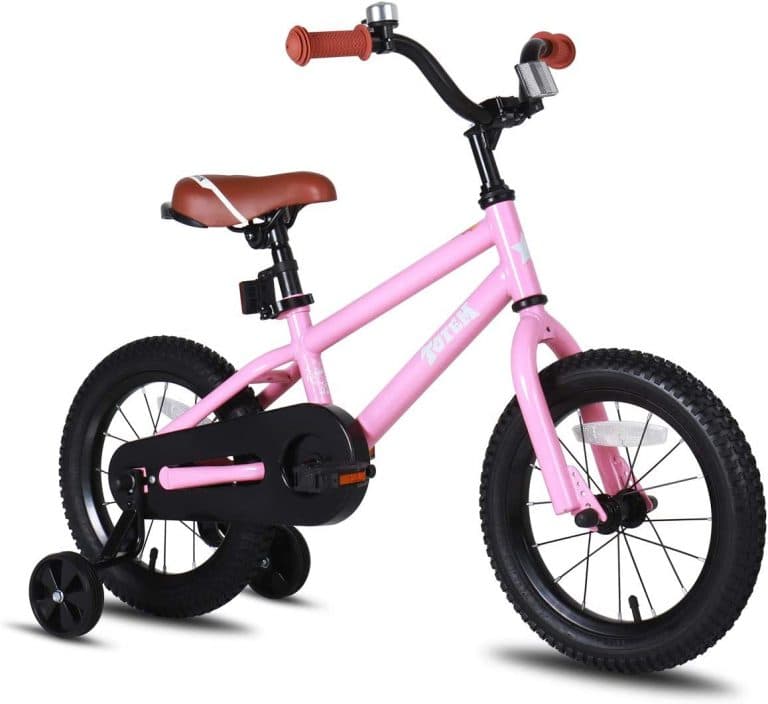
- SUPER SHOCKPROOF PERFORMANCE: Equipped with a high-strength shock-absorbing spring and hydraulic shock fork, which has super shock-absorbing capacity and no noise while driving. More quieter than traditional electric motocross bikes.
- LONG-RANGE BATTERY: Provides you great performance and up to 90 minutes (Tested on 88.2 lbs weight/9.3 mph) long-range with rechargeable 36V sealed lithium battery system in all scenarios. Takes only 4-5 hours to fully charge.
- SAFE SPEED MODES: The dirt bike has 3 safe speed modes – Low: 5.0 mph (8 km/h), Medium: 7.5 mph (12 km/h), High: 15.5 mph (25 km/h). you can choose to use any speed to give you the best riding experience and keep your child safe.
- DURABLE & STRONG: Electric motorcycle designed for kids aged 3-10 with authentic dirt bike geometry provides for a solid ride off-road with a max rider weight of 140 lbs (64 kg). Larger suspension makes rider more comfortable
- EFFICIENT SUPPORT TEAM: Come with detailed instructions for use and efficient after-sales service. You can contact us if you still need help. we will serve you online 24 hours a day.

Last update on 2026-10-05 / Affiliate links / Images from Amazon Product Advertising API
The best electric bike for kids is made with children in mind. It offers all the fun of a regular bike with a little electric boost to make it even more fun.
These bikes have lightweight construction, and their maximum speeds are usually lower than those of the adult versions.
They’re designed with safety in mind for young operators.
Electric bikes to the rescue! This enhances their overall riding experience by making it easier for them to tackle steep slopes and travel greater distances without fatigue.
The ergonomically age-appropriate designs ensure ease, comfort, and safety while encouraging children to develop confidence.
Electric bikes increase opportunities for active play and foster exploration of the great outdoors.
Overall family rides become more fun and comfortable for everyone!
Advantages of Lightweight Design
A lightweight electric bike offers many advantages to youth riders. It’s the ideal first bike for kids who are beginning to ride.
Bikes that are 46-48.5 pounds accomplish the best combination of being very sturdy and somewhat easy to maneuver.
By comparison, our lightweight bikes, weighing a mere 17.6 lbs, provide outstanding agility and handling, perfect for smaller kids.
These designs make it easier for kids to steer, stop, and ride confidently, even on uneven paths or tight turns.
1. Enhance Maneuverability and Control
A lighter frame gives young riders more control over their steering and stability.
This is especially critical when navigating tight turns or needing sudden stops in a dynamic road environment.
For example, a 47.5-pound bicycle offers adequate stability while still being light enough for children to manage in sudden, tight turns.
On a bike that’s more appropriate for their size, children can develop their cycling skills.
This means learning to brake evenly and corner gradually, two key foundations for safe biking.
2. Improve Safety for Young Riders
Lighter bikes enhance safety in addition to cost savings. Their lighter weight allows for easier stopping and turning.
After all, a bike that weighs 60 pounds would be too much for most children to handle, thus raising the chances of crashes.
A 46-pound bike is very user-friendly and gives young riders better control, minimizing the chances of falls.
Lightweight designs allow children to easily lift their bikes if they fall, fostering independence and confidence.
3. Easier Handling for Beginners
A lightweight bike makes for an even easier learning curve for newcomers, giving new riders more comfort and control.
When a kid can manage a 17.6-pound bike, it’s a lot less intimidating, which helps instill confidence to ride longer distances.
Parents should consider electric bikes with adjustable settings and comfort features, such as ergonomic grips, to provide additional guidance and protection for young riders.
Key Safety Features to Consider
Safety must be the top priority when selecting a children’s electric bike for your family.
Bike design and features are essential to ensure that these bikes can be designed with the security of a bike and enjoy an exhilarating riding experience.
Here are the key features to look for to ensure you’re getting the most safety for your buck.
Speed Limiters and Controls
Speed limiters are critical to preventing high speeds that could easily exceed the capabilities of young riders.
Most e-bikes or e-scooters come with different speeds, which gives parents the ability to set a safe threshold based on their child’s age and development.
For example, an electric bike with a top speed of 12 mph allows a more natural walking speed, making it perfect for beginner use.
Throttle controls are similarly essential since they provide smoother acceleration overall, avoiding jerky acceleration or unexpected speed surges.
Models like the Razor MX350 have highly effective speed limiters, perfect for younger riders.
Braking Systems: Types and Effectiveness
Effective braking is critical for the average electric bike weighing 55-60 pounds. Disc brakes, for example, are known for their high stopping power under all conditions, including in the rain, compared to rim brakes.
Finally, responsive and strong brakes are key to preventing accidents, especially on unexpected stops.
Parents must practice checking the brake pads for adequate wear and ensuring the cables are correctly tightened.
Visibility: Lights and Reflectors
High-visibility features such as LED lights and reflective strips significantly improve safety, particularly during dusk or nighttime rides.
Bright, colorful frames not only look great, but they also increase visibility on the road.
Adding accessories such as spoke reflectors or handlebar-mounted lights can help increase your visibility even more.
Frame Strength and Durability
A strong, resilient frame will perform efficiently and safely over an extended period.
Aluminum provides a good balance between lightweight and sturdiness, while steel frames give extra durability.
Check welds and joints for quality to increase your bike’s likelihood of holding up under rigorous use.

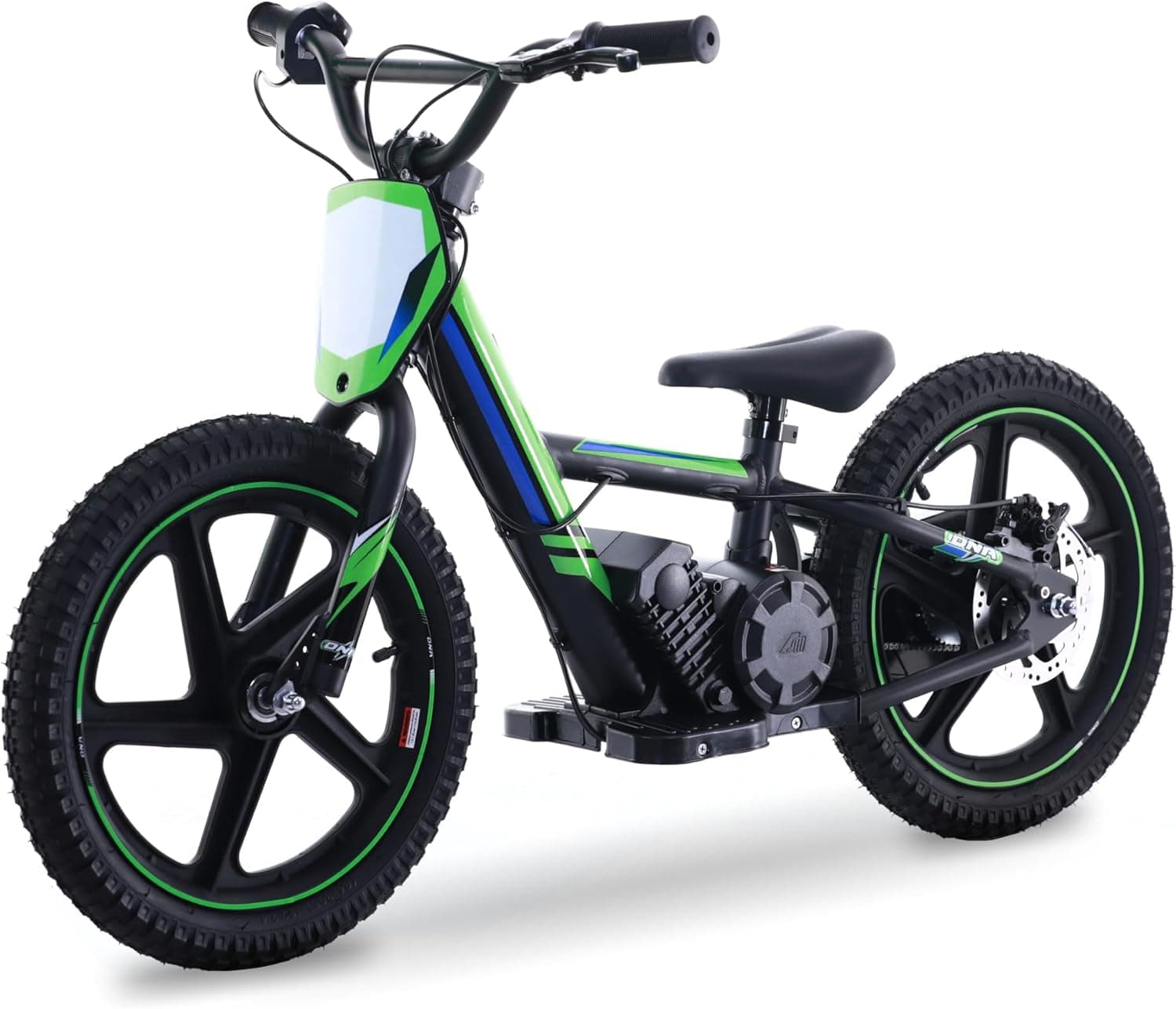
- Compact and Lightweight: The Hiboy Electric Balance Bike for Kids measures 35.9*20.2*24.4 inches and weighs only 20.06 lbs, making it easy for kids aged 3-5 to handle. It features 12-inch tires and an adjustable seat from 17.2 to 19.1 inches.
- Powerful Motor and Battery: Equipped with a 21.6V/2.6Ah battery and a 150W peak motor (100W in regular mode), this electric bike for kids reaches speeds up to 9MPH and covers up to 4.9 miles on a single charge.
- Quick Charging: With a charging time of just 3-4 hours, the Hiboy Electric Bike for Kids is ready for action in no time. The bike also has an IPX4 waterproof rating, ensuring safe rides in various weather conditions.
- User-Friendly Design: This electric balance bike for kids requires a kick-off start. Kick off the ground to glide, then press the accelerator to ride. Perfect for boys and girls learning balance and control.
- Dual Speed Modes and Front V-Brake: The Hiboy Electric Bike features dual speed modes for adaptable riding experiences and a front V-brake for reliable stopping power, ensuring safety and control for young riders.
Last update on 2026-10-06 / Affiliate links / Images from Amazon Product Advertising API
Age and Size Recommendations
Selecting the right electric bike for a child begins with matching the bike’s size to their age, height, and weight.
A properly fitted bike is essential for safety, comfort, and control, so your child can build confidence while riding.
An 8-year-old should ideally be able to ride a 20-inch wheel e-bike comfortably.
At the same time, kids under 6 generally have a better experience with balance bikes or bikes with low/no motor assist.
For ease of handling, keep the folded bike’s weight under 50 lbs.
Motor assist should also be kept under 20% of the child’s body weight.
Matching Bike Size to Child’s Height
To determine the proper size, begin by measuring your child’s height while they stand flat-footed with their back against a wall.
Their saddle height should allow them to reach the ground with their tip toes when they are seated for balance and stability.
Reach—the distance to the handlebars—is just as crucial, making sure they can turn the bike without overexerting themselves.
If you can, your best move is to test the bike before you buy.
Above all, ensure your child is safe and empowered, ideally with bikes such as the Specialized Turbo Levo SL Kids.
Adjustability Features for Growing Kids
More importantly, features such as adjustable seats and handlebars allow the bike to change as your child grows, prolonging your investment even longer.
Quick-release levers on the seat post, brakes, and handlebars ensure that size adjustments are quick and easy for busy caregivers.
Thoughtful designs, like those on the Trek and Specialized models, can greatly improve the long-term value of a bike like this.
Weight Capacity Considerations
Remember to always check a bike’s weight limit to be sure it can accommodate your child’s weight!
Exceeding this can seriously compromise performance and safety, so always double-check manufacturer specs and guidelines.
Assessing Riding Experience and Skill Level
Beginner-friendly features like low-speed modes allow novice riders to build confidence and skill. As they become more experienced, electric bikes generally increase safety for children over the age of six.
Battery and Motor Considerations
Understanding the specs is crucial when it comes to children’s electric utility bikes.
This wealth of knowledge ensures a safe, comfortable, and efficient riding experience.
The bike battery and industrial-grade high-output brushless motor are key components that significantly impact performance, range, and usability, making them essential factors to consider in your evaluation process.
Battery Life and Range Expectations
Battery capacity is important because it dictates how far your child can go before needing to recharge.
The average range for kids’ e-bikes is 10 to 20 miles on a single charge, but this distance can vary greatly based on the riding surface and the rider’s practice patterns.
Energy use is lower for wide, smooth, flat trails than for narrow, hilly, or bumpy paths.
Promoting a tamer top speed helps preserve battery capacity, leading to longer, more sustained rides without dropping out.
Getting the low-down on battery performance — High-quality lithium-ion batteries are much safer and use more reliable chemistry.
To optimize each charge, instill eco-driving habits in your child, including avoiding endless jackrabbit accelerations or stop-and-go traffic.
Charging Time and Ease of Use
Recharge times for children’s e-bikes typically range from 4 to 6 hours.
Additionally, bikes with easy-to-use charging ports and a reliable charger make the process very simple, leading to easier recharging and more frequent usage.
Think about establishing a charging ritual—charging the bike as soon as the ride is over ensures it’s ready for the next ride.
A reliable charger, preferably one that comes with the bike, should be convenient, fast, and easy to use.
Motor Power and Speed Options
Motor power largely determines performance. E-bikes with 250W motors will most accurately match children’s needs, providing a harmonious mix of speed and torque for enjoyable and safe handling. U.S.
Laws limit assisted speeds to 15.5 mph for children, focusing on their safety.
As a rule of thumb, parents should opt for higher-speed options only as their child gets older and more skilled.
Keep in mind that greater outputs may require additional oversight.
Battery Safety and Certifications
This industry-wide standardization means certified batteries significantly reduce the risk of dangerous incidents such as overheating or battery malfunctions.
Seek certifications like UL to confirm compliance.
General maintenance and safe storage, such as storing batteries in a dry, cool place and not leaving them charging overnight, can prolong battery life.
To ensure safety, always check certifications before you buy.
Essential Gear and Accessories
When it comes to kids cruising on electric utility bikes, safety gear goes a long way.
It’s about creating a safer travel environment and giving them a better riding experience overall.
With pedal-assist modes (PAS) enabling varying levels of motor assistance from the high-output brushless motor, these bikes combine fun and practicality but demand proper preparation.
Helmets: Fit and Safety Standards
Helmets are the foundation of safe riding.
A properly fitting helmet not only saves young riders from serious injury during unexpected falls, it allows them to ride with confidence and safety on the roadway.
Choose a helmet that is CPSC (Consumer Product Safety Commission) approved, made for biking.
To determine proper fit, measure your child’s head circumference and then adjust the straps securely—no side-to-side movement should be possible.
Many parents struggle with consistency, but letting kids pick their favorite color or design can make wearing a helmet a habit they enjoy.
Protective Pads: Knees and Elbows
Knee and elbow pads become essential defense against nasty scrapes and bruises.
They lower the risk of injury and give kids the freedom to take more risks, helping them build confidence as they try new things.
Look for padded, adjustable shoulder pads with cushy interiors.
To encourage using pads to become a new habit, store them near the bike so they’re quick and easy to grab before each ride.
Gloves for Grip and Protection
Gloves aren’t simply fashion accessories—they increase your grip on the handlebars, which becomes extremely important on long rides or in rainy weather. Properly fitted grips help to minimize strain and blisters.
In winter, insulated gloves protect the rider from the elements but maintain reach and control.
Proper Footwear for Riding
Closed-toe shoes with thick, non-slip soles guarantee little toes are kept safe from danger.
Don’t wear sandals or loose shoes with slippery bottoms, since they can interfere with the control of your pedals or stops.
Sneakers or sneakers with non-slip soles are a smart option for all-around wear.
- 🏍️NOTICE: This Electric Motorcycle is heavy, so please ensure it is installed by two adults carefully. Verify the vehicle is correctly mounted before riding! The motor produces a sound wave that imitates a roar, which adds to the driving pleasure.
- 🏍️POWERFUL DIRT Motorcycle: Designed for kids aged 3-12, this Electric Dirt Bike for Kids comes with a 300W engine that provides constant power, and the maximum load capacity is 143 pounds. (Data may vary depending on factors like speed mode, weight load, battery, temperature, road conditions, etc.)
- 🏍️LIGHTNING SPEED & LONG RANGE: The EVERCROSS EV12M Electric Dirt Bike’s powerful 36V engine allows it to reach a top speed of 15.5 MPH (25KM/H). The 4AH ultra-long battery life offers fully charged mileage of up to 9.3 miles. (The Electric Motorcycle also features three adjustable speed modes – 5 MPH, 7.5 MPH, and 15.5 MPH.)
- 🏍️HIGH-PERFORMANCE SUSPENSION: Equipped with a high-elastic suspension system, the Motorcycle for kids has super shock absorption abilities that reduce the impact of road bumps on the driver. This system works with the drum brake system to ensure children’s safety.
- 🏍️COMFORTABLE DESIGN: The Electric Dirt Bike features 12″ large-size wear-resistant rubber wheels that provide a stronger grip. The high-density, non-slip seat conforms to ergonomic design, and it is more soft and breathable, ensuring a comfortable and extreme driving experience for children.
Last update on 2026-01-19 / Affiliate links / Images from Amazon Product Advertising API
Parental Supervision and Education
Kids’ electric bikes, including electric utility and dirt bikes, deliver exciting adrenaline-pumping experiences and an independent feeling of freedom.
Parents must be actively engaged to ensure these rides are safe and enriching.
They must encourage responsible habits while guiding their children on appropriate riding routes.
Teach Safe Riding Practices
Children need to learn safe riding habits at an early age. Introduce them to the fundamentals, including being aware, keeping their sense of balance, and braking correctly.
To explain their purpose and function, introduce traffic signals and road signs one at a time, using basic language and avoiding jargon.
To illustrate, when you go for rides in the neighborhood, identify stop signs and practice stopping together.
Introducing them to other settings—peaceful roads, bike trails, or even your driveway—is just as essential to getting them ready for various real-world scenarios.
Reinforce lessons. Praise their caution, but calmly point out errors to reinforce safe behaviors.
Establish Riding Rules and Boundaries
Establishing ground rules from the beginning helps keep kids safe while fostering their development of responsibility.
For instance, agree on clear zones where they can ride, such as the backyard or a nearby park.
Engage the community when setting speed limits, considering expert recommendations to keep speeds below 10 mph in areas where children aged 9-12 usually walk.
Helmets should be the bare minimum, non-negotiable.
Please review these rules and discuss their reasons each time before your child rides, encouraging comprehension over rebellion.
Supervise Initial Rides Closely
Those first couple of rides are key.
Walk with your child to see how well they navigate traffic and respond to hazards, especially during the day or in well-lit conditions.
Be sure to stay close enough to help them navigate through crosswalks or bumpy ground.
Your showing helps give them confidence and gives you more scope to soften boundaries as they improve.
Regular Bike Inspections and Maintenance
Routine bike checks prevent accidents. Check tires, brakes, and lights before each trip.
Establish with the truck driver a monthly plan to check and tighten loose bolts to ensure trucks are in good working order.
This simple habit ensures safety in the long term.
Maintenance and Care Tips
Proper maintenance is essential for safe and fun riding of an electric utility bike, so here’s what caretakers should keep in mind.
Routine maintenance keeps the bike working longer and better, ensuring every ride is an enjoyable and hassle-free experience.
Regular Cleaning and Lubrication
Keeping the bike clean is key to everything working its best. Dirt and debris can cause systems to operate under adverse conditions, increasing wear and tear on moving parts.
Lubrication is just as vital. Use a bike-specific lubricant to lubricate the chain and other moving parts to prevent friction and make everything run more smoothly.
Focus on spots prone to stiffness, like the gear mechanisms, but avoid over-lubricating, as excess oil can attract dirt.
Step 1: Wipe down with a wet rag and light detergent. Pay particular attention to cleaning the frame, especially the chain, wheels, and pedals.
Having a simple weekly cleaning routine will ensure that keeping up with this task isn’t overwhelming and will keep your bike performing at its best.
Checking and Adjusting Brakes
Brakes are the most critical aspect of a bicycle’s safety. Inspect brake pads every few weeks for wear; thin or uneven pads should be replaced.
Help children learn the signs of bad brakes, like a squeaky pad or a wiggling brake lever.
Caliper brakes. Adjust brakes by increasing the cable tension to get a tight grip that doesn’t feel spongy.
Attending to brake needs right away protects you from crashes, even more so if you’re on a higher-speed, heavier e-bike.
Tire Pressure Maintenance
Maintaining correct tire pressure is crucial to safety and handling.
Too low, they become under-inflated tires that increase your steering effort, and higher than recommended, they over-inflate and risk a blowout.
Monitor tire pressure weekly with a tire pressure gauge, and inflate to the PSI listed on the tire wall. Inflate gradually, steering clear of overinflation and ensuring pressure is evened across both tires for more comfortable rides.
Battery Care and Storage
Correct battery maintenance is the key to making it last. Avoid third-party chargers.
Third-party chargers can and will ruin the battery, so use the charger that came with the bike.
When not in use, store batteries in a cool, dry place out of the reach of children.
Regularly inspect batteries for signs of swelling or leaks.
Follow proper charging practices.
Charge the battery only to the recommended level, as overcharging or allowing the battery to become fully discharged will decrease battery performance over time.
Addressing Common Concerns
Though they might have little throttle bikes as an option, parents always have the right to be concerned about children’s electric utility bikes.
Dispelling Myths About E-Bikes for Kids
Myth #3 Kids can’t ride e-bikes. The truth is that E-bikes aren’t just for adults. In reality, safety is primarily up to the rider in terms of obeying traffic laws and wearing protective gear.
Most e-bikes are limited to a top speed of 20 mph.
This speed looks pretty approachable, particularly with safety features like adjustable speed settings, which tend to have 3-5 levels.
Myth #2 is all about performance. E-bikes aren’t durable enough.
Most of the models are intended for everyday use. They’re limited to 250 watts of motor power and 20 to 40 miles per charge.
These bikes are no mere toys—they get kids moving outdoors and promote a sense of responsibility.
Educating the public and decision-makers about these benefits can go a long way toward changing attitudes and mitigating stigma.
Balancing Cost and Value
The initial investment in an e-bike may feel prohibitive, with batteries ranging from $750 to $1500.
However, given their clear long-term environmental quality and public health benefits, they are an investment that is clearly worth exploring.
Look for models with trusted warranties and proven safety records to discover more budget-friendly alternatives. Communities like Orange
Counties are pushing for policies and education programs to encourage safe, informed e-bike use.
Finding Reputable Brands and Retailers
Reputation is key to their success.
Checking out third-party reviews and purchasing from reputable retailers means you can have confidence in the quality.
Battery replacement, in particular, can be expensive, so seek out brands with robust warranties. Reliable customer support is just as important if something goes wrong.
Understanding Warranty and Support
A high-quality warranty should cover the main parts, including the batteries and motors, keeping you from being burned by hefty repairs down the line.
Never assume what’s provided; certainly, inquire about customer support before purchasing.
Our Conclusion About Electric Bikes for Kids
An electric bike for kids unlocks a new world of fun and adventure. It’s exhilarating, liberating, confidence-building, and gets kids outside where they belong.
The innovative and lightweight design, combined with the handlebars’ step-through frame, makes it easy for kids to ride and handle.
Safety features such as speed limiters and strong brakes ensure their safety as they learn.
Proper fit and age-appropriate size provide a more stable, controllable ride.
They obtain precisely the appropriate amount of power and handling through the correct battery and motor.
Additional protective gear, such as helmets and gloves, provides extra safety protection. Proper maintenance and care keep the bike safe and functioning correctly.
Begin searching for something that best meets your child’s needs. Know that with the right choice, you’re not just buying a bike.
You’re not just granting them freedom and independence, you’re giving them experiences they’ll remember forever.
No products found.
Electric Bikes for Kids Frequently Asked Questions
What is the ideal age for a child to use an electric bike?
Depending on the model, children as young as six can safely ride electric bikes, including an electric utility bike perfect for young riders. Ensure you find adjustable bike models to grow with them for a safe and comfortable fit.
How fast do children’s electric bikes typically go?
Most children’s electric bikes, like the electric utility bike, are limited to a top speed of around 10–15 mph, creating the perfect balance of fun and safety for younger riders.
What safety features should I look for in a children’s electric bike?
Emphasize safety features such as reliable braking mechanisms, speed limiters, and user-friendly controls. A sturdy frame and high tire grip are key for a smoother, safer ride.
How long does the battery last on a children’s electric bike?
Battery life differs from each make and model, typically lasting 1–2 hours of continuous use. Consider the bike battery capacity and charging time to match your kid’s riding routine with an electric utility bike.
Do children need to wear helmets while riding an electric bike?
A well-fitted, certified helmet will significantly reduce the risk of head injuries while riding an electric utility bike.
Can an electric bike replace regular bikes for children?
Electric bikes, including utility bikes and dirt bikes, are wonderful for recreation and first/middle/last-mile commutes, but this doesn’t mean they should fully supplant traditional bicycle use.
What maintenance does a children’s electric bike require?
Make a habit of checking the bike battery, brakes, tires, and chain regularly. Cleaning and ensuring everything is in working order are among the most important parts of maintaining a safe electric utility bike.